
Hey there, if you’re someone who’s been shopping around for industrial heating equipment, chances are you’ve stumbled on this thing called a gas fired bell type furnace. And let’s be real—one of the first questions that pops up when you’re vetting these bad boys is: How long does it actually take to heat one up? I get it, time is money in your operation, and waiting around for a furnace to hit the right temp is just wasted production time. As a supplier who’s been working with these furnaces for years, I’ve fielded this question a million times, so let me break it down for you—no super technical jargon, just straight-up answers that actually matter.
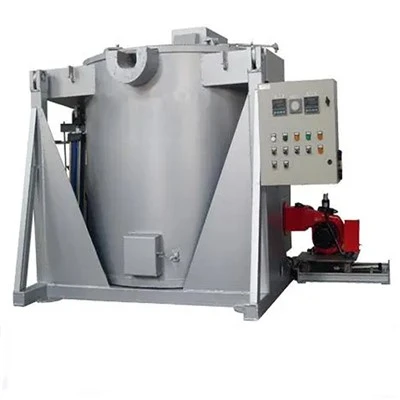
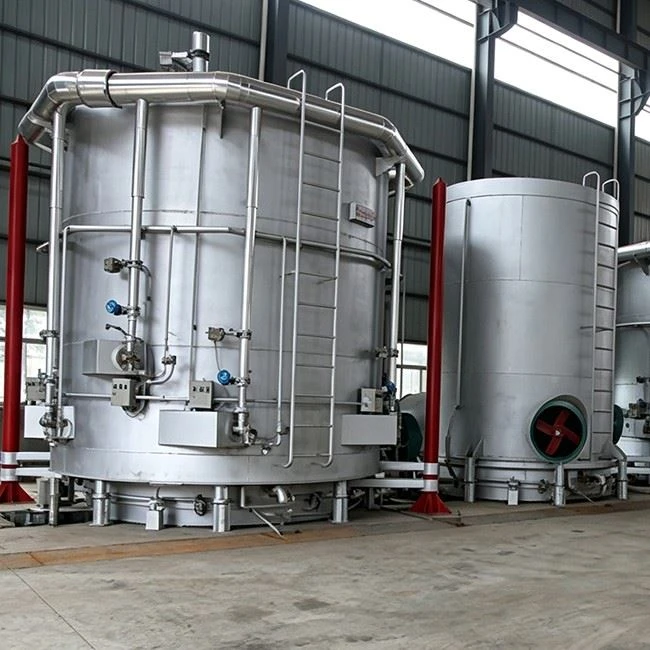
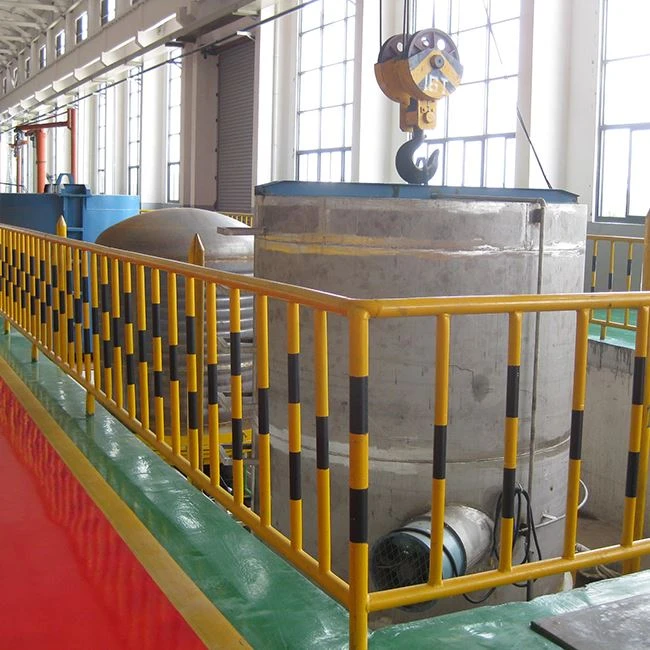
First off, let’s start with the basics because if you skip this part, you’ll never nail the heat-up time. A gas fired bell type furnace works by putting a removable “bell” (that’s the dome-shaped top part) over a fixed base that holds your workload—think metal parts you need to temper, anneal, or harden. The bell is heated by natural gas burners, which blast hot air (or sometimes direct flame, depending on the model) into the enclosed space between the bell and the base. So when you’re asking about heat-up time, you’re not just talking about heating the furnace itself—you’re talking about getting that workload inside up to the right temperature, too. That’s a huge detail most folks overlook at first.
Now, here’s the thing: there’s no one-size-fits-all number. I’ve had customers ask me, “Is 2 hours enough?” or “Do I need 8 hours?” and my answer is always, “It depends on a few key factors.” Let’s go through those because they’re the real drivers here.
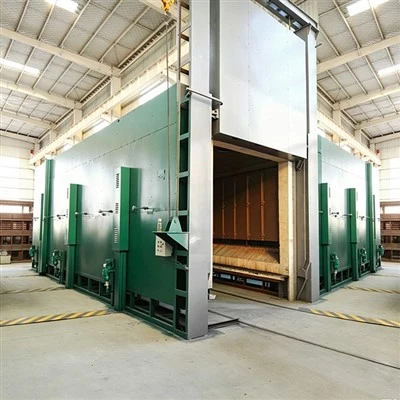
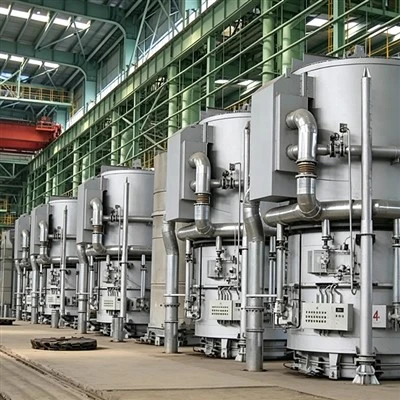
First, the size of the furnace and your workload. A tiny bell furnace—like a bench-top model for small metal parts—might only take 1 to 2 hours to hit the target temp (say, 1200°F for annealing steel). But if we’re talking about a big industrial unit, like a Round Split Bell Type Furnace for large batches of heavy-duty parts, that’s a whole different story. Those big boys can hold tons of material, so you’re not just heating the air—you’re heating thousands of pounds of metal. I recently had a customer with a 10,000-pound steel load that took about 6 hours to heat up properly. If you skimp on that time, you’re gonna have uneven heating—some parts too hot, some too cold—and that’s a quick way to ruin a batch.
Next, your target temperature. Obviously, heating to 500°F is way faster than heating to 2000°F. I mean, that’s basic thermodynamics, right? The higher you need to go, the longer it takes for the burners to ramp up and the materials to absorb all that heat. If you’re doing something like high-temperature hardening, you’re looking at the upper end of the time scale, while lower-temp processes like stress relieving will be quicker.
Then there’s the type of workload you’re running. Not all metal is created equal. Thin, small parts heat up in a flash—like a tiny stainless steel bolt might take 15 minutes per inch of thickness. But thick, dense materials? Oh man, that’s a different game. A 6-inch thick steel block is gonna take way longer because heat has to conduct through all that material. Plus, if your parts have complex shapes with holes or gaps, that can slow things down too—air has to circulate evenly, and if there’s restricted space, hot spots or cold spots form, so you might need to add extra time to make sure everything’s consistent.
Wait, also—what’s the furnace’s design and efficiency? Not all gas fired bell type furnaces are built the same. Some have better insulation, which means they retain heat way better. If a furnace has cheap, worn-out insulation, it’s gonna leak heat like a sieve, so the burners have to work harder and longer to maintain temp, which drags out the heat-up time. Modern models, like many of the ones we sell, have high-density insulation and precision burners that ramp up gradually, which actually cuts down on heat-up time without sacrificing uniformity. Oh, and if you’re dealing with a Heat Treatment Bell Furnace specifically, they’re often engineered for tight temperature control, so you might get more consistent heat-up times than with a general-purpose unit.
Let me give you a real-world example that I’ve seen dozens of times. A local automotive parts shop was using an old, beat-up bell furnace they’d had for 15 years. Their heat-up time for 2,000 pounds of cast iron parts was around 7 hours. They switched to a newer, more efficient model—same workload, same target temp of 1650°F—and cut that time down to 4.5 hours. The difference? Better insulation and more precise burner control. They’re saving over 2 hours per batch now, which adds up to way more parts per week. That’s the kind of win that makes business owners happy.
Now, let’s talk about a common mistake I see people make: trying to rush the heat-up process. Yeah, I get it—you wanna get to production fast, but cranking the burners to max right away can cause all sorts of issues. For one, uneven heating, like I mentioned before. Thin parts might overheat while thick parts are still too cold. For another, thermal shock. If you blast cold parts with super hot air all at once, some materials (like certain steels or cast iron) can crack or warp, which is a total waste of time and money. So most good furnaces—especially the ones worth buying—have a built-in ramp-up function that gradually increases the heat, which takes a little longer, but ensures everything heats evenly and safely. That’s a feature you wanna look for if you’re shopping around.
Another thing: ambient conditions. If your shop is freezing cold in the winter, that furnace has to heat up not just itself and the workload, but also the cold air inside the bell when you put it down. In the summer, when the shop’s already hot, you might save 30 minutes or so on heat-up time. It’s not a huge factor, but it’s something to keep in mind if your facility has big temperature swings throughout the year.
So, putting all this together, what’s the average heat-up time you can expect? For small to medium furnaces with light to moderate workloads, targeting mid-range temps (1000°F to 1500°F), you’re looking at 2 to 4 hours. For large industrial furnaces with heavy, dense workloads targeting high temps (1500°F to 2200°F), that’s 4 to 8 hours. And if you’re doing really specialized processes, maybe even longer—but that’s pretty rare.
But here’s the kicker: the best way to get an exact time that’s tailored to your operation is to talk to someone who actually knows furnaces (hi, that’s me!). Every shop’s workload is different, every furnace is different, so a generic number won’t cut it. For example, if you’re unsure whether a Round Split Bell Type Furnace is right for your heavy workload, or if you need a Heat Treatment Bell Furnace for precise processes, we can run the numbers for you. We’ve helped dozens of customers figure out exactly how much time they’ll save (or need) based on their specific needs.
Wait, let’s also mention how to reduce heat-up time if you’re already using a furnace. First, make sure your insulation is in good shape. If it’s worn out, replace it—like that automotive shop I told you about, that was their biggest issue. Second, optimize your workload. Don’t pack parts so tight that air can’t circulate. Leave gaps between pieces so hot air can reach every part. Third, use a furnace designed for your target process. If you need high heat for hardening, don’t waste time with a furnace built for low-temp stress relieving—you’ll be waiting forever. And finally, do regular maintenance. Clean the burners, check for leaks in the bell or base, make sure the insulation isn’t damaged. A well-maintained furnace will always heat up faster than a neglected one.
I know this stuff can feel overwhelming at first, but when you break it down, heat-up time is all about matching your furnace to your needs and treating it right. There’s no magic number, but there are clear factors that drive it—and if you understand those, you can make better decisions for your business.
If you’re in the market for a new gas fired bell type furnace (or looking to upgrade your current one), don’t waste time guessing about heat-up times or specs. We’ve got all the info you need, and we can help you find the right model that fits your workload, budget, and timeline. Whether you need a small unit for a lab or a huge industrial one for mass production, we’ve got options that will get the job done efficiently.
So if you’re ready to chat about your specific needs, or just have more questions about heat-up times, feel free to reach out. We’re here to help you avoid common mistakes, save time, and get the most out of your furnace.
References
- ASM International. (2017). Heat Treatment of Steels: Principles and Techniques. Materials Park, OH: ASM International.
- Industrial Heating Magazine. (2022). "Key Factors Affecting Furnace Heat-Up Time." Industrial Heating, 89(5), 24-28.
- Gas Furnace Manufacturers Association. (2021). "Best Practices for Bell-Type Furnace Operation and Maintenance." GFMA Technical Bulletin No. 12.