
If you’ve ever stood near an operating aluminum melting furnace—whether you’re a seasoned metalworker, a plant supervisor, or someone new to the process—you know this equipment is equal parts powerful and precarious. Aluminum melts at around 660°C (1220°F), and once molten, it retains enough heat to cause severe burns, fires, or explosions if proper precautions aren’t taken. As a supplier of high-quality aluminum melting equipment, including our line of aluminum alloy melting furnace, we at [Your Company Name] have spent years working closely with foundries, metal fabrication shops, and recycling facilities to understand exactly what safety gear is non-negotiable for anyone operating this machinery. This isn’t just a list of items; it’s a breakdown of why each piece matters, how it protects, and common mistakes we see teams make when cutting corners on safety.
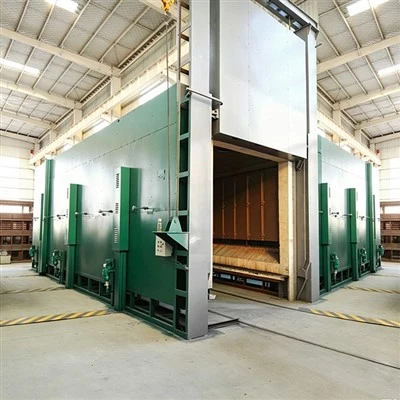
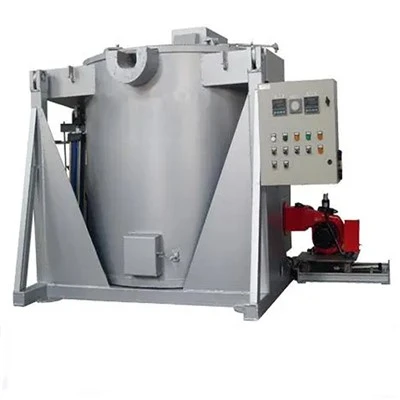
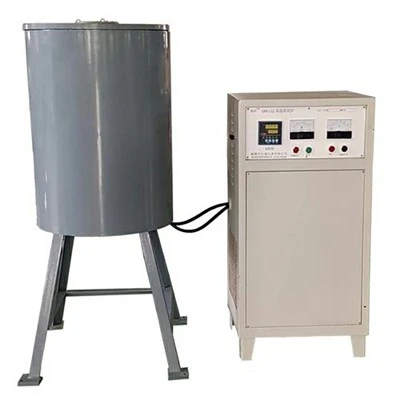
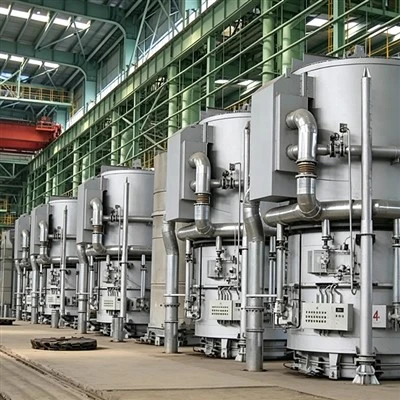
First, let’s ground this in the reality of operating an aluminum melting furnace. Whether you’re using a crucible melting resistance furnace, a tilting melting furnace, a crucible type oil-fired furnace, or a gas fired melting furnace, the core hazards don’t change. Molten aluminum is dense, meaning a 10kg crucible of liquid metal weighs far more than the solid material you loaded in. It also reacts violently with water—even a tiny splash of water can turn into a steam explosion, scattering molten aluminum across a room. Fumes from fluxing agents, oil combustion, or molten metal vapor can cause respiratory damage if inhaled. And high heat means surfaces on the furnace, tongs, and tools stay hot long after the unit is turned off. All of these hazards require specific, purpose-built safety gear, not random work clothes.
Let’s start with the most obvious (and most underrated) piece: heat-resistant personal protective equipment (PPE) for the body. Regular cotton work clothes or even thick denim won’t cut it here. At a minimum, operators need 100% wool or specialized heat-resistant outerwear—synthetic fabrics like polyester or nylon will melt on contact with even a small aluminum splash, sticking to skin and causing far worse injuries than a burn alone. Many teams make the mistake of wearing layered cotton shirts under coveralls, not realizing cotton ignites at 210°C (410°F), well below the temperature of molten aluminum. The coveralls should be full-length, with long sleeves that fit snugly at the wrists to prevent gaps from catching splashes, and no pockets on the outside that could hold tools or debris near the furnace. For lower body, heat-resistant pants that overlap with the boots (more on that next) are critical; tilting melting furnace operators, in particular, need extra protection on the thighs and calves because they’re positioned closer to the spout where molten metal pours. We always advise our customers to test their coveralls by holding a small piece of aluminum scrap against the fabric—if it melts through or scorches badly, it’s not suitable.
Next, foot and hand protection, two areas where injuries are extremely common. Footwear for aluminum melting furnace operation is non-negotiable: steel-toe, heat-resistant rubber boots with deep, non-slip soles. The rubber needs to withstand temperatures of at least 300°C (572°F) so a dripping splash of aluminum doesn’t burn through to the skin, and steel toes protect against falling crucibles or heavy tools. Regular work boots or construction boots with leather soles will burn through instantly, and non-slip soles are vital because spillage on the floor can create a slipping hazard that leads to falling into the furnace. As for hands, heat-resistant gloves made of leather, Kevlar, or a specialized heat-resistant composite are a must. But not all gloves are equal: thin work gloves won’t stop a splash, and overly thick gloves can reduce dexterity, making it hard to handle tongs or adjust the furnace controls. For routine tasks like loading solid aluminum into a crucible melting resistance furnace, mid-weight heat-resistant gloves work, but for tilting operations or repairing a furnace mid-run, heavier gauntlet-style gloves that cover the wrist are necessary. We’ve seen too many operators use ordinary welding gloves, which may resist heat but often have gaps at the fingers that let splashes in. The rule of thumb here: if you can’t feel the temperature of a small metal tool when holding it, the gloves are too thick, but if a small aluminum slice would burn through in under two seconds, they’re too thin.
Respiratory protection is another area that’s often overlooked, even though aluminum melting generates harmful fumes. When aluminum is heated, it releases aluminum oxide fumes, which can cause metal fume fever—a flu-like illness with fever, chills, and cough that can last for days. Additionally, if you’re using a crucible type oil-fired furnace or gas fired melting furnace, you’re also exposed to combustion byproducts like carbon monoxide, nitrogen oxides, and sulfur dioxide, which are toxic in high doses. This means standard dust masks won’t work. Operators need either a half-face or full-face respirator with cartridges rated for organic vapors and particulate matter, or, if working in a confined space or high-fume environment, a supplied-air respirator that pushes clean air directly to the face. It’s not just about having the respirator—it’s about checking cartridges regularly and fitting them properly; a loose seal will let fumes leak in. We recommend our customers schedule monthly fit tests for all furnace operators, because a respirator that worked in January might be ineffective if the operator’s face shape changes or the cartridge is old.
Face and eye protection is arguably the most critical, because an aluminum splash to the eye can cause permanent blindness. Safety glasses alone aren’t enough—even wraparound safety glasses have small gaps at the sides that can let a splash in. Operators need face shields that cover the entire face, paired with safety glasses underneath. The face shield should be made of polycarbonate, which is shatter-resistant and can withstand temperatures up to 500°C (932°F), and it should be adjustable so it doesn’t fog up or slip when working near the furnace. A common mistake is lifting the face shield when not actively pouring metal, which leaves the face and eyes exposed to fumes or unexpected splashes. For operators working with tilting melting furnace equipment, where metal is moved from the crucible to a mold, face shields with a chin guard are extra important, as splashes can bounce off the tilting spout at an angle. We also advise against wearing prescription safety glasses without the face shield—even impact-resistant prescription lenses can crack if hit by a small piece of aluminum, and the face shield adds that extra layer of protection.
Beyond personal PPE, there are secondary safety gear items that every furnace operation needs, regardless of whether you’re using a crucible melting resistance furnace or a gas fired melting furnace. First, a fire-resistant apron or splash guard for operators who spend extended periods near the furnace. Aprons made of heat-treated canvas or leather cover the torso and legs, adding an extra layer between the operator and molten metal splashes. Second, emergency equipment: a Class D fire extinguisher, specifically designed for metal fires, is non-negotiable. Class A, B, or C extinguishers won’t work on aluminum fires—they can actually spread the fire by adding oxygen. A Class D extinguisher uses a dry powder that smothers the fire and stops the molten metal from reacting with oxygen, which is exactly what you need if a spill catches fire. Every furnace should also have a nearby emergency water spill kit, but wait—this is crucial: the kit should only be used for cleaning up small spills, not for putting out fires. And all operators should know where the nearest emergency shower and eye wash station are located, tested monthly to ensure they work.
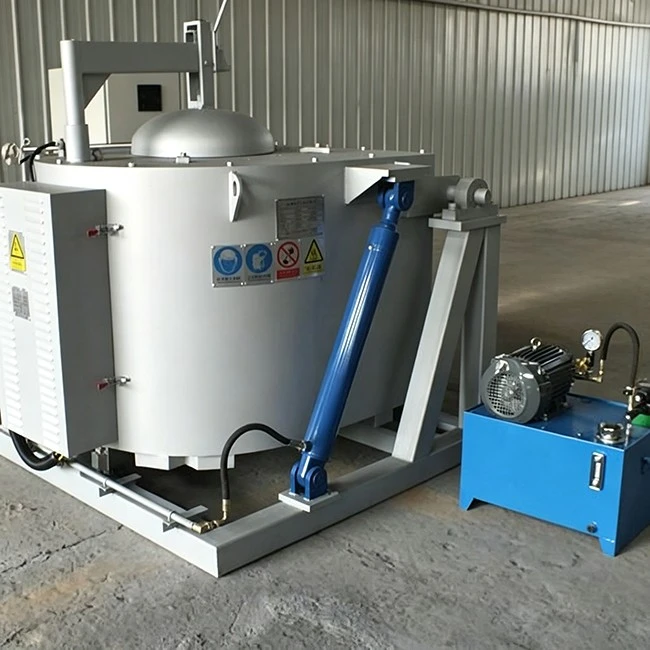
We’ve also noticed that many facilities overlook gear for supporting equipment, not just the operators. For example, tongs, ladles, and crucible lids need to be heat-resistant and in good condition. Damaged tongs can slip, spilling molten aluminum, so they should be inspected before every use. Crucible lids not only help keep heat in the furnace (improving energy efficiency, which is a bonus for operating costs) but also prevent splashes from escaping when the furnace is in use. When loading solid aluminum into an aluminum alloy melting furnace, operators should use tools that reach into the crucible without forcing the material in, which can cause splashing. For tilting furnaces, having a secondary stop for the tilting mechanism is important to prevent the furnace from spilling too much metal.
It’s important to emphasize that all of this gear is only effective if it’s used correctly and maintained. We work with a customer who had a near-miss last year: an operator was wearing gloves with worn fingertips, and a small aluminum splash seeped through, causing a burn that required a trip to the hospital. Another facility forgot to replace their respirator cartridges for months, leading to two operators getting metal fume fever that shut down production for three days. These aren’t hypothetical stories—they’re the kinds of incidents we see regularly when teams prioritize saving money on gear or skipping maintenance.
As a supplier, our job isn’t just to sell you a high-quality aluminum alloy melting furnace or other equipment. It’s also to educate you on how to keep your operators safe. We’ve built our reputation over the past two decades by partnering with foundries to not only provide reliable furnaces like our crucible melting resistance furnace or tilting melting furnace, but also to share best practices for safety, efficiency, and compliance with OSHA and global safety standards. If you’re in the market for new melting equipment or looking to update your safety protocols, we can help you evaluate your setup, recommend the right gear, and train your team on proper operation.
At the end of the day, operating an aluminum melting furnace is a skilled job that comes with inherent risks. The right safety gear isn’t an expense—it’s an investment in your team’s well-being, your facility’s productivity, and your business’s long-term success. Cutting corners on heat-resistant clothing, respiratory protection, or fire safety equipment can lead to costly incidents that hurt people, delay production, and damage your reputation. We’re here to help you get it right, whether you’re a small metal fabrication shop or a large recycling plant. To learn more about our line of melting furnaces or to discuss safety solutions tailored to your operation, reach out to our team today.
References
National Institute for Occupational Safety and Health (NIOSH). (2021). “Occupational Safety and Health Guidance for Aluminum Melting and Processing.” Centers for Disease Control and Prevention.
Occupational Safety and Health Administration (OSHA). (2020). “Process Safety Management: Standard for Highly Hazardous Chemicals.” U.S. Department of Labor.
Metal Casting Society. (2019). “Safety Practices for Aluminum Melting and Casting Operations.” American Foundry Society.