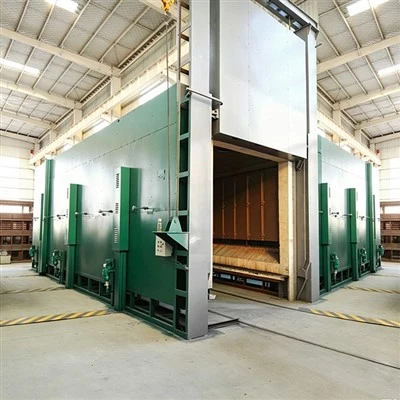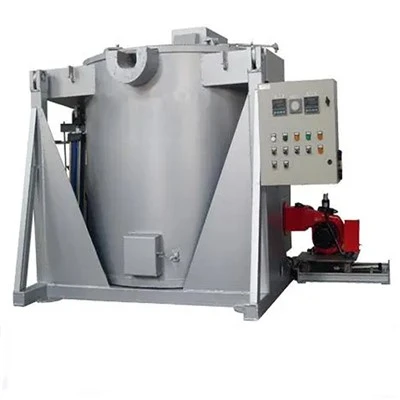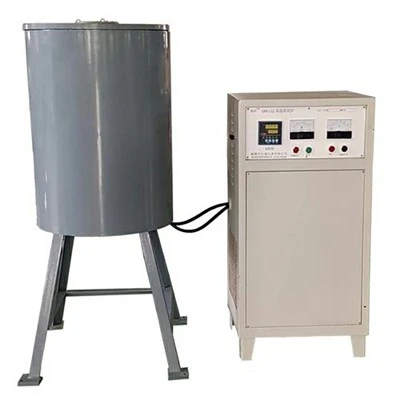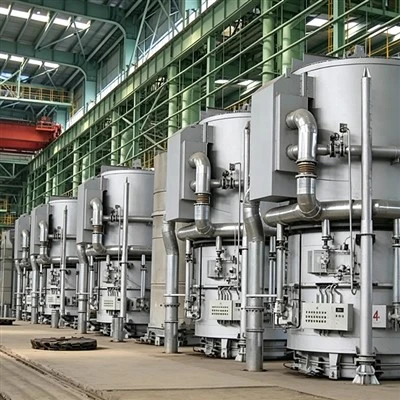

If you’ve spent any time in the aluminum alloy casting or recycling industry, you know that oxidation in a melting furnace isn’t just a nuisance—it’s a costly one. Every time aluminum reacts with oxygen in the air, it forms aluminum oxide (Al₂O₃), a lightweight, powdery residue that clogs equipment, weakens final products, and cuts into your yield. As a supplier of aluminum melting equipment, I’ve worked with dozens of foundry teams to troubleshoot oxidation issues, and the good news is that most of these problems are preventable with targeted, science-backed practices. Today, I’m breaking down the most effective strategies to keep oxidation in your aluminum alloy melting furnace under control, no matter what type of furnace you use—whether it’s a Gas Fired Melting Furnace, a specialized Aluminum Alloy Melting Furnace, a tilting model for easy pouring, or a crucible type like an oil-fired or resistance furnace. Let’s dive into the details that will save you time, material, and money.
First, it’s important to understand why oxidation happens in aluminum furnaces. Aluminum has a strong affinity for oxygen—even at temperatures as low as 200°C, it starts to form a thin, protective oxide layer on its surface. But once the metal reaches its melting point (around 660°C), that layer becomes porous, and oxygen can seep through to react with the molten aluminum beneath. This not only creates dross (the combination of aluminum oxide and unoxidized metal) but also causes hydrogen pickup, another common issue that weakens castings. The biggest drivers of oxidation in melting furnaces are excess air exposure, poor furnace atmosphere control, overheating, and improper furnace maintenance. Now, let’s go through each solution with real-world applications that I’ve seen work for my customers.
Control the Furnace Atmosphere to Minimize Oxygen Exposure
The single most impactful step to prevent oxidation is to limit the amount of oxygen that comes into contact with molten aluminum. Your furnace’s atmosphere plays a critical role here, and small adjustments can make a huge difference. For example, many foundries run their furnaces with excess air to ensure complete fuel combustion, but that extra oxygen is exactly what causes dross buildup. For gas-fired furnaces, adjusting the air-fuel ratio to create a slightly fuel-rich (reducing) atmosphere—instead of a perfectly balanced or air-rich one—cuts oxygen levels significantly. I’ve had customers with large Gas Fired Melting Furnace report a 20% drop in dross production just by tweaking this ratio by 1-2%. It’s a simple fix that requires only a quick check of your burner settings or a consultation with a furnace technician.
For electric or resistance-type crucible furnaces, like the Crucible Melting Resistance Furnace we supply, atmosphere control might involve using a cover gas. Cover gases are inert or reducing gases that create a protective layer over the molten metal. The most common options are argon, nitrogen, or a mix of nitrogen and carbon dioxide. These gases are denser than air, so they settle on top of the molten aluminum and block oxygen from reacting. The key here is to use the right amount—too little and the protection is incomplete, too much and you’re wasting money on gas. For small foundries running crucible furnaces, even a low-cost nitrogen blanket can cut oxidation by 30% or more, without a huge equipment investment. If you’re using an Aluminum Alloy Melting Furnace for high-volume production, investing in an automated cover gas delivery system is worth it, as it ensures consistent protection and reduces waste.
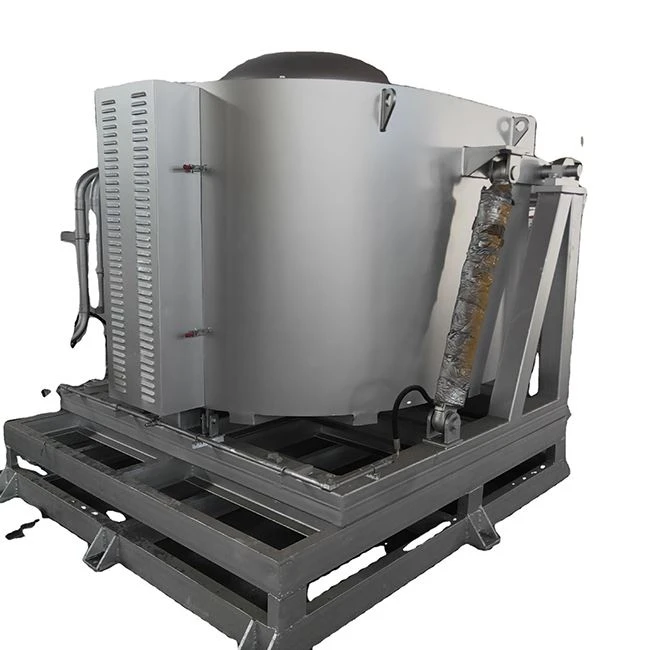

Another atmospheric control tip: maintain proper furnace sealing. Leaks in the furnace door, charging port, or flue let air in and allow your protective gases to escape. During my customer visits, I’ve found that many foundries skip regular seal checks, leading to constant oxygen intrusion. For tilting furnaces, like our Tilting Melting Furnace, the tilting mechanism creates extra points where seals can wear out over time. A quick visual inspection of gaskets around the door and charging area every shift, plus tightening bolts or replacing worn gaskets quarterly, will go a long way in keeping your atmosphere stable.
Optimize Charging Practices to Reduce Metal Exposure
How you add solid aluminum (scrap, ingots, or castings) to your furnace directly impacts oxidation. If you add cold aluminum to a hot furnace, the cold metal chills the surrounding area, causing oxygen to react with the exposed surface of the solid and molten metal. There are two key charging best practices to follow here. First, preheat your solid charge material before adding it to the furnace. Preheating removes moisture (which can cause hydrogen pickup as well, a related issue) and reduces the temperature difference between the charge and the furnace, so less oxidation occurs when the metal melts. For example, if you’re melting aluminum scrap, preheating it to 300-400°C in a separate preheating chamber means it will take less time to melt in the furnace, and it won’t leave large areas of exposed molten metal for oxygen to attack.
Second, avoid adding large, bulky pieces of aluminum at once. If you dump a big ingot into the furnace, it will take longer to melt, leaving a large surface area exposed to oxygen for hours. Instead, break large pieces into smaller, manageable chunks or add them in batches, letting each batch melt partially before adding the next. This keeps the total exposed metal surface area lower at any given time. For crucible furnaces, whether oil-fired or resistance, like our Crucible Type Oil-Fired Furnace or resistance model, smaller charge batches also mean better heat distribution in the crucible, leading to more uniform melting and less oxidation. I always recommend that my customers who work with scrap aluminum sort their charge by size and quality first, so they can optimize charging to minimize exposure.
Monitor and Control Temperature to Prevent Overheating
Overheating is one of the most overlooked causes of excessive oxidation. The higher the temperature of molten aluminum, the faster it reacts with oxygen. Aluminum’s melting point is 660°C, but most foundries run furnaces 50-100°C above that to speed up melting and ensure full alloy homogenization. However, running at temperatures above 750°C significantly increases oxidation rates. Studies show that for every 100°C rise in temperature above 700°C, dross production doubles. That’s a massive hit to your yield—10 pounds of dross for every 100 pounds of aluminum melted, if you’re overheating.
The fix here is simple: use precise temperature control in your furnace. Modern furnaces, including the aluminum alloy melting furnaces we design, come with programmable logic controllers (PLCs) that let you set exact temperature limits for different stages of melting. For example, you can set your furnace to hold at 700°C once all metal is melted, rather than cranking it up to 800°C to finish faster. For tilting furnaces, which are often used for holding molten metal before pouring, keeping the holding temperature at the minimum required for casting (usually 680-720°C) cuts oxidation significantly. I’ve had a customer who was overheating their Tilting Melting Furnace by 80°C, and after adjusting the temperature, their dross yield dropped by 25% in the first month. It’s a small change with a big payoff.
Also, avoid rapid temperature changes. When you cycle a furnace from cold to hot quickly, thermal stress can crack refractory lining, leading to air leaks. Slow, gradual heating of the furnace (over 4-6 hours for cold starts) preserves the lining and keeps the furnace atmosphere stable, reducing oxidation. For crucible furnaces, like the Crucible Melting Resistance Furnace, the crucible itself can degrade if exposed to rapid temperature swings, so consistent heating also extends the life of your equipment.
Use Dross Inhibitors and Fluxes to Minimize Existing Oxidation
Even with perfect atmosphere control and temperature regulation, a small amount of oxidation will occur. Dross inhibitors and fluxes are chemical compounds that can reduce the amount of dross, separate it from the molten metal, and prevent further oxidation of the metal beneath the dross layer. These are especially useful for foundries melting high-purity aluminum alloys, where dross contamination can ruin parts.
There are two main types of dross inhibitors: cover fluxes and bath fluxes. Cover fluxes are added to the top of the molten metal, forming a thin layer that blocks oxygen and prevents dross from forming. Bath fluxes are mixed into the molten metal, breaking down existing dross and separating the aluminum oxide from the pure aluminum, so the dross can be easily skimmed off. When choosing a flux, make sure it’s compatible with your specific alloy—some fluxes work better for pure aluminum, others for aluminum-silicon or aluminum-copper alloys. For example, our team often recommends a sodium chloride-potassium chloride mix for general-purpose alloys, but for high-magnesium alloys, we suggest a flux with less sodium to avoid negative reactions.
One tip I give customers is to add flux at the right time—wait until all metal is melted and the temperature is stable, then add the flux and let it sit for 10-15 minutes before skimming. Skimming too early will pull molten metal along with the dross, wasting material. If you’re using a crucible furnace, like the Crucible Type Oil-Fired Furnace, the small crucible size makes flux addition and skimming easier, so you can implement this step with minimal labor. For high-volume gas-fired furnaces, automated flux dosing systems are available to ensure consistent application, which is critical for maintaining low oxidation levels.
Regular Furnace Maintenance to Prevent Air Leaks and Degradation
Furnace wear and tear over time can create hidden issues that increase oxidation. The refractory lining, which lines the interior of the furnace, can crack, erode, or develop gaps where air can seep in. The burner in gas-fired furnaces can become clogged with soot, leading to incomplete combustion and excess oxygen. For tilting furnaces, the seals around the tilting shaft and door can wear out, letting air in every time you pour molten metal. All of these issues add up to higher oxidation rates, even if you’re following all the other best practices.
A regular maintenance schedule is non-negotiable for preventing these problems. Here’s a checklist I share with all my customers:
- Refractory inspections: Every 3 months, check for cracks, spalling, or thin spots in the furnace lining. If you notice damage, repair it immediately—small gaps can turn into large air leaks over time. For aluminum alloy melting furnaces, the refractory lining is designed to withstand high temperatures, but scrap charge with sharp edges can wear it down faster, so inspect after large melting runs.
- Burner maintenance: For gas-fired furnaces, clean the burner every 6 months to remove soot and debris. Check the air-fuel ratio monthly to ensure it’s still set for a reducing atmosphere. Clogged burners can cause incomplete combustion, which not only increases oxidation but also lowers fuel efficiency.
- Seal replacement: Every 12 months, replace gaskets around the furnace door, charging port, and tilting shaft (for tilting furnaces). During pouring, the tilting motion can put extra stress on seals, so check them after every 100+ pours to catch wear early.
- Crucible maintenance: For crucible furnaces, inspect the crucible (whether oil-fired or resistance-type) for cracks or thinning every 10-20 heating cycles. A cracked crucible can let air in and also cause metal leakage, which is a major safety hazard. Replacing a crucible at the first sign of damage prevents both oxidation and costly downtime.
Final Tips for Long-Term Success
Preventing oxidation in aluminum melting furnaces is not a one-time fix—it’s a consistent process that combines equipment design, operational practices, and regular maintenance. The strategies I’ve outlined work for every type of furnace, from small crucible models to large high-volume gas-fired systems. As a supplier of aluminum melting equipment, including the Gas Fired Melting Furnace, Aluminum Alloy Melting Furnace, Tilting Melting Furnace, Crucible Type Oil-Fired Furnace, and Crucible Melting Resistance Furnace, I always work with customers to tailor these practices to their specific operation. Whether you’re a small job shop melting scrap aluminum or a large foundry producing automotive parts, there are adjustments you can make to cut oxidation, reduce dross, and improve your bottom line.
If you’re struggling with oxidation in your melting furnace, or if you’re looking to upgrade your equipment to prevent future issues, reach out to discuss your needs. We can help you evaluate your current setup, recommend the right furnace and practices for your production, and ensure you get the most efficiency and yield from your melting process.
References
- Aluminum Association. (2021). Oxidation of Aluminum and Its Alloys. Aluminum Industry Technology Roadmap.
- Davis, J. R. (Ed.). (1993). Aluminum and Aluminum Alloys. ASM International.
- European Aluminium Association. (2020). Dross Reduction in Aluminum Melting Furnaces: Best Practices.
- Schmidt, T. (2019). Atmosphere Control in Metal Melting Furnaces. Journal of Industrial Furnace Technology.