
If you’re in the glass processing game, you know a tempering furnace is way more than just a big metal box that heats up glass. It’s the make-or-break piece of equipment that turns raw, fragile glass into stuff sturdy enough for storefronts, car windows, or even kitchen countertops. But here’s the thing I hear every single week from new buyers and people looking to upgrade: “Horizontal or vertical—what the hell do I even pick?” As a furnace supplier who’s spent years walking shops through this exact call, I get it. It’s not just about specs; it’s about your workflow, your output goals, and the kind of glass you actually work with. Let’s break this down like we’re chatting over coffee, no stuffy jargon.
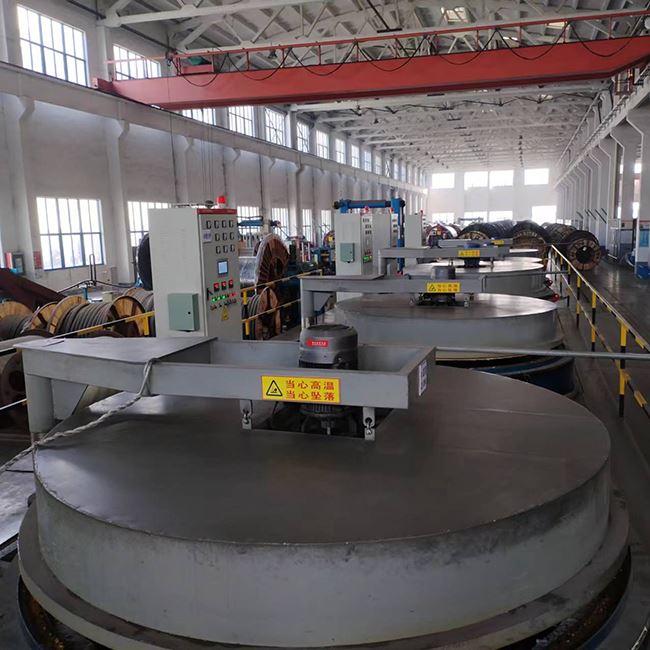
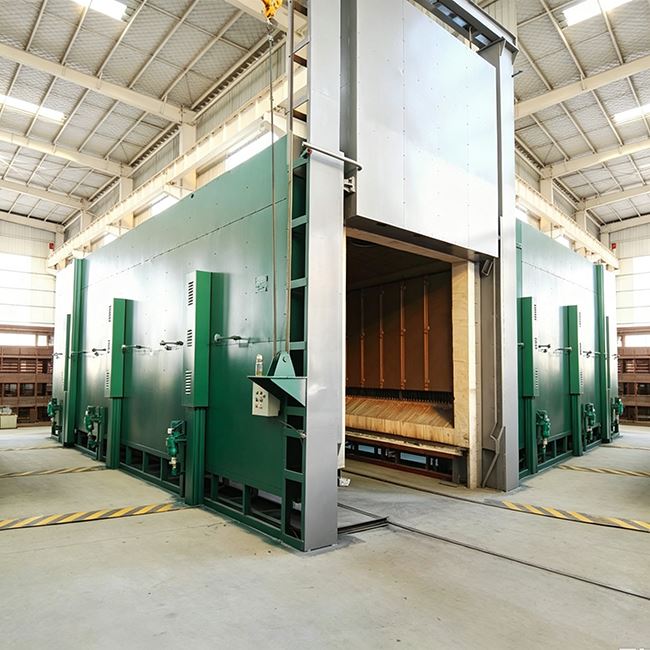
First off, let’s cut through the confusion. Horizontal tempering furnaces (HTFs) do their thing with glass laying flat the whole time—they heat it evenly on a horizontal line, then quench it with a blast of air to lock in strength. Vertical tempering furnaces (VTFs) hold glass upright the entire process, so it never touches a surface that could leave scratches or distortions. But before we dive deep, let’s talk about the most important factors that will make or break your choice, because picking the wrong one can cost you thousands in wasted material and downtime, fast.
Let’s start with what you actually process. If your shop’s main thing is standard flat glass—like 1/4-inch storefront panels, standard window glass, or single-pane glass for residential homes—horizontal is probably your first call. Wait, but don’t sleep on size. Horizontal furnaces handle huge sheets super well, right? I’ve seen shops with 10-foot by 12-foot horizontal lines pumping out storefront glass like it’s no big deal. But here’s a catch: if you’re working with thin glass—say 2mm or even 1.5mm for phone screens or small decorative panels—horizontal can have issues. Thin flat glass sags a tiny bit as it heats up, even with the best conveyor systems, and that sag can leave uneven thickness or warp the edges. That’s a big problem if you need ultra-precise flatness.
Now vertical. If your orders are heavy on curved glass—car windshields, car side windows, curved shower doors, even curved glass for furniture—vertical is non-negotiable. Wait, why? Because curved glass needs to be shaped as it heats, right? If you lay a curved piece flat on a horizontal furnace, it won’t hold its shape perfectly. Vertical furnaces hold the glass upright while it heats, so you can shape it consistently as part of the tempering cycle. I had a customer last year who was getting terrible rejects on curved car side glass with a horizontal furnace—they switched to vertical and their defect rate dropped by 30% in the first month. That’s not small change. But vertical isn’t just for curved stuff—some shops use it for ultra-thin flat glass too, because it avoids that sag issue.
Next up is throughput. How many pieces do you need to crank out each day, and what’s the speed of your turnaround? Horizontal furnaces generally have higher throughput for standard flat glass. The line moves in a continuous loop, so you can load pieces, process them, and unload them without stopping the whole line (usually). If you’re running a high-volume shop that does 50+ standard window panels a day, a horizontal line will keep up with that pace. But wait—throughput isn’t everything. If you’re running small batches, custom orders, or mixed orders (some flat, some curved), vertical might actually be more flexible here. Many vertical furnaces have quick changeover times, so you can switch between a small curved shower door and a standard flat window in an hour, instead of the 4-6 hours some horizontal lines need for a part change. That’s a huge win if you do a lot of custom work.
Then there’s space in your shop. This is one of the most overlooked factors, and it trips people up all the time. Horizontal furnaces are long, right? A standard horizontal line might be 50 to 100 feet long, because it has to hold the heating section, the quenching section, and the conveyor system. If your shop is tight—like you’re in a 2,000 sq ft space in a strip mall or a small industrial unit—you might not have that kind of floor space. Vertical furnaces, on the other hand, are way more compact. They’re tall, not long, so if you have ceiling space instead of floor space, vertical is the way to go. I had a customer in Chicago a few years back who thought they’d only fit a small horizontal line, but we helped them size a vertical furnace that fit perfectly in their existing layout, no major renovations needed. Win-win. But wait—don’t forget about loading/unloading space. Vertical furnaces have their load and unload points at ground level, so you need space on either side, not length. That’s a big difference for small shops.
Now, let’s talk about glass quality and defects, because that’s what pays your bills. Horizontal furnaces can leave two big defects: sag (like we talked about with thin glass) and roller marks. Roller marks are those tiny little indentations or scratches from the conveyor rollers that hold the glass as it moves. If you’re making high-end glass for refrigerators, or glass that’s going to be laminated for safety, roller marks can be a dealbreaker—customers won’t accept them. Vertical furnaces eliminate roller marks entirely, because the glass isn’t sitting on rollers the whole time. It’s held by small grips at the edges, so the only marks are tiny edge marks you can trim off. That’s a massive plus for high-end, decorative, or ultra-clear glass orders. But vertical isn’t perfect here—if you’re making very large flat glass, vertical can have a small amount of distortion at the edges where the grips hold, so you have to plan for that. It’s rarely a big issue, but it’s something to keep in mind.
Another thing: energy efficiency. A lot of buyers don’t ask about this until they get their first utility bill, but it’s a huge long-term cost. Horizontal furnaces have larger heating chambers because they’re longer, so they take more energy to heat up and maintain temperature. Vertical furnaces, while they’re taller, have smaller heating chambers in many cases, so they use less energy per tempered piece—especially if you’re running smaller batches. That said, if you’re running 12+ hours a day, 6 days a week, the higher throughput of a horizontal line can mean lower energy cost per piece, even if the furnace itself uses more power. It’s a tradeoff, not a hard rule, so run the numbers for your own operation—don’t just take my word for it.
Wait a second—before I wrap up the basics, let’s make sure we’re not forgetting some niche cases. What if you work with specialty glass? Like tempered glass for solar panels, or bulletproof glass, or very thick glass (1/2 inch or more)? Thicker glass is actually easier for horizontal furnaces, because vertical furnaces can sometimes have trouble heating thick glass evenly through the entire thickness. That’s because thick glass needs more time to soak, and vertical heating elements are usually arranged differently than horizontal ones. So if thick glass is your main product, horizontal is probably safer.
I should also mention that “horizontal vs vertical” isn’t an either-or for every shop. Some large operations have both—they use horizontal for high-volume standard flat glass, and vertical for curved or custom work. But if you’re a small to mid-sized shop starting out, or looking to add a new line, you can’t just get both. So you have to pick one.
Now, let’s get to the part where I answer the questions I always get: “Which one should I actually buy?” Let’s make a quick cheat sheet of use cases, no fluff:
- Go horizontal if: You process mostly standard flat glass, high volume, large sheets, have long floor space, or work with thick glass. Just make sure you have a way to deal with roller marks if that’s an issue for your customers.
- Go vertical if: You work with a lot of curved glass, thin glass, high-end glass (where no roller marks are allowed), have limited floor space, or do a lot of small custom batches.
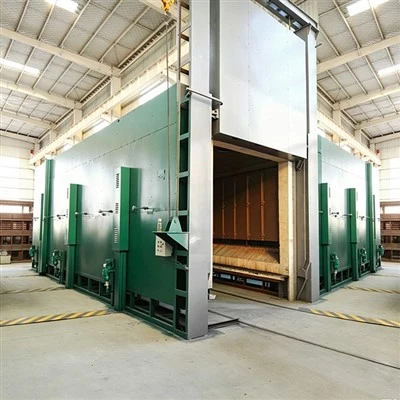
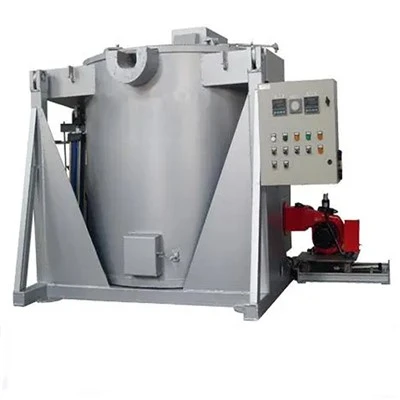
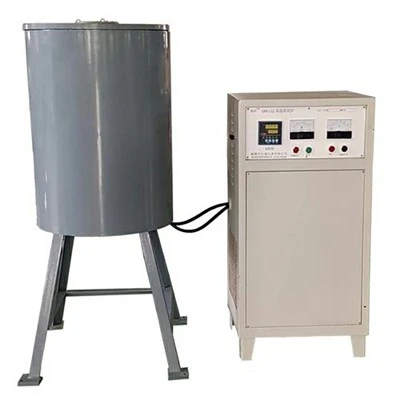
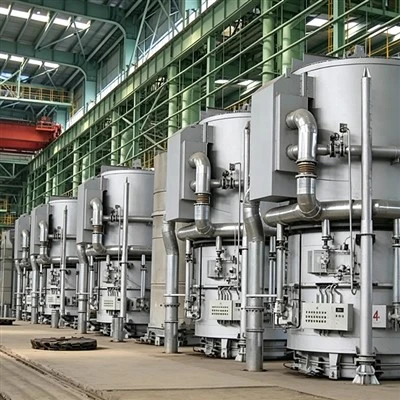
But wait—are there other types of furnaces worth considering if neither fits? Oh right, some buyers need specialty equipment for very specific jobs. Like, if you process glass that’s not flat, or very heavy, you might want to check out a Trolley Type Tempering Furnace, which is built for large, heavy glass pieces that regular horizontal or vertical lines can’t handle. If your business is focused on mesh belt applications for smaller, flat industrial parts, the Mesh Belt Tempering Furnace is your go-to, with precise temperature control for uniform results every time. And for long, vertical glass pieces or parts that need consistent shaping along their height, the Pit Type Tempering Furnace is designed to fit that niche layout perfectly.
I get it—this stuff can feel overwhelming. I’ve been in your shoes: I ran a small glass shop for 10 years before I got into selling tempering furnaces, and I picked the wrong line once. I bought a horizontal furnace because everyone told me it was “the industry standard,” and within 6 months, I was dealing with tons of curved glass rejects and my shop was too small for the 80-foot line. I lost money, I was stressed, and I learned the hard way that there’s no one-size-fits-all. That’s why I always tell buyers to walk through their actual daily workflow, not just look at specs.
If you’re still stuck, here’s my advice: Make a list of your top 3 products, your average batch size, your shop’s square footage and layout, and your monthly output goals. Then, reach out to someone who knows their stuff (wink, that’s us) and walk through that list. We can run a quick side-by-side of horizontal vs vertical for your specific use case, no pressure, no sales pitch. We can even send you case studies from shops that are similar to yours, so you can see exactly what works for someone with your kind of business.
Wait, one last thing to address: common myths. A lot of people think vertical furnaces can’t process large glass. Yeah, older vertical models had size limits, but new ones can handle pieces up to 10 feet tall now—way more than enough for most shop needs. And horizontal furnaces aren’t just for cheap, low-end glass either—you can get high-end horizontal lines with low-roller-mark technology that’s perfect for residential storefronts. The key is finding the right model for your needs, not the most expensive or most popular one.
Look, at the end of the day, choosing between horizontal and vertical tempering furnace isn’t about which is “better” overall—it’s about which is better for you. If you’re ready to stop guessing and start picking equipment that will help your shop run smoother, reduce defects, and make more profit, don’t overcomplicate it. Reach out, tell us what you process, and we’ll help you figure it out. No jargon, no pushy sales talk, just straight up advice from someone who’s been in the glass game for years.
References
- Glass Processing Machinery Association. (2022). Selection Criteria for Tempering Furnaces for Flat and Curved Glass. International Journal of Glass Science and Technology, 13(2), 45-62.
- Smith, J. (2021). Energy Efficiency Comparison of Horizontal and Vertical Tempering Furnaces. Industrial Furnace Operations Quarterly, 9(4), 18-25.
- Garcia, M. (2020). Defect Reduction in Glass Tempering: A Case Study of Vertical vs Horizontal Furnace Performance. Glass Manufacturing Monthly, 15(7), 31-38.
- Tempering Furnace Engineering Institute. (2023). Space and Throughput Tradeoffs in Glass Processing Line Design. Journal of Industrial Materials Handling, 21(1), 112-127.