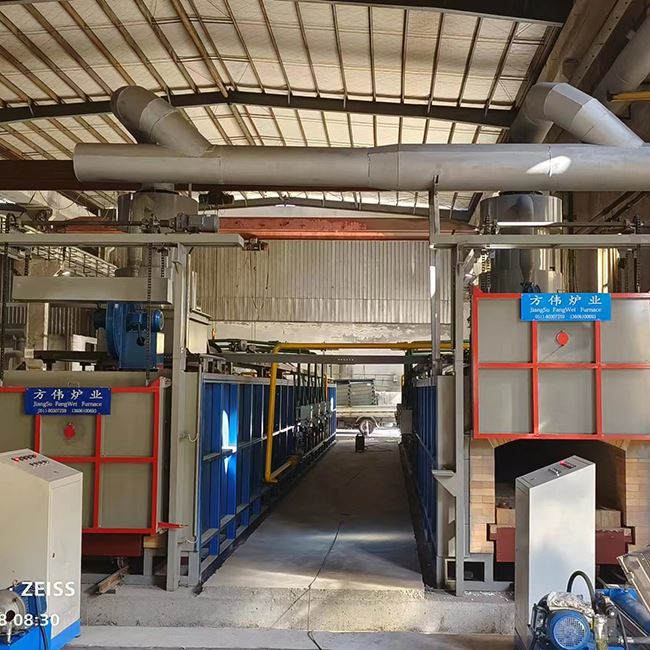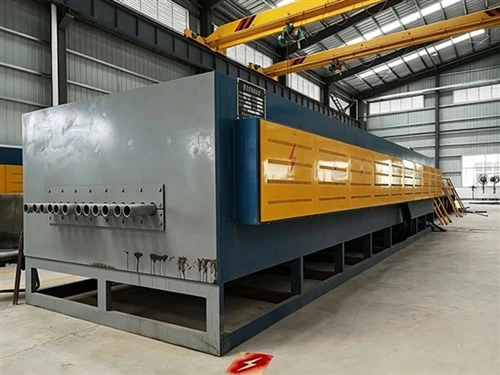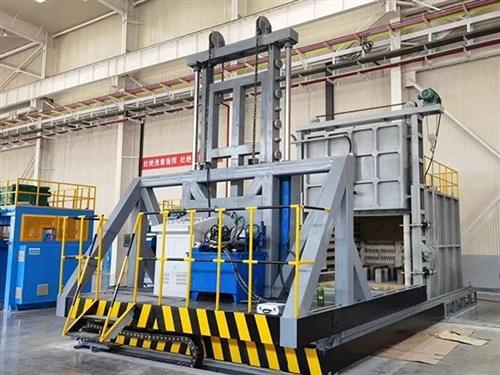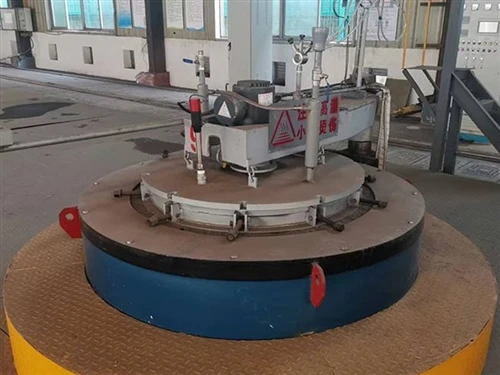
The oil combustion process essentially involves atomizing the fuel into fine droplets that are sprayed into the furnace chamber; these droplets then vaporize upon heating and burn as they diffuse. The combustion process is intensified by enhancing fuel atomization, vaporization, and the mixing of fuel vapor with air. While oil-fired furnaces produce minimal soot, heavy hydrocarbons or carbon particles-being solid-are difficult to burn completely; they often exit the furnace chamber before combustion is finished, resulting in dense black smoke. Oil combustion temperatures typically range from 900°C to 1200°C, leading to significantly higher nitrogen oxide (NOx) emissions compared to coal-fired furnaces. Since the sulfur content of crude oil is largely concentrated in the heavy oil fraction, furnaces fueled by heavy oil require measures to control sulfur dioxide (SO2) pollution.
Automatic Control Systems
Modern oil-fired furnaces often feature automatic control systems that enable precise process management through functions such as intelligent PID temperature control, high-precision heating and holding profiles, and flame-out alarms with safety shutdowns. By optimizing the air-fuel ratio to ensure complete combustion and maintaining a slightly positive furnace pressure, these systems minimize heat loss and enhance energy efficiency and environmental performance.
Modern oil-fired furnaces utilize automatic control systems to manage burner ignition (manual or automatic) and flame monitoring. Key features include intelligent PID temperature control, high-precision heating and holding profiles, flame-out alarms and safety protection, and process curve recording. By regulating burner flame intensity and combustion status, these systems enable automatic adjustment and remote monitoring of furnace temperature, combustion air pressure, and furnace pressure, offering high safety, excellent temperature uniformity, precise control, and environmental benefits.
Common Faults and Maintenance
If an oil-fired furnace emits black smoke during operation, common causes include poor fuel quality, incomplete combustion, inadequate fuel atomization, excessively low furnace or combustion air temperatures, fuel pump system malfunctions, or secondary combustion within the flue. Appropriate remedial and maintenance measures include using approved fuel; correctly setting the air-to-fuel ratio; configuring fuel pressure and fuel heater start/stop temperatures in accordance with the manual; using light diesel oil for ignition during cold starts; periodically inspecting the fuel pump; regularly cleaning accumulated ash from the flue; routinely inspecting and cleaning filters in the fuel supply and injection systems; and adjusting the boiler load.