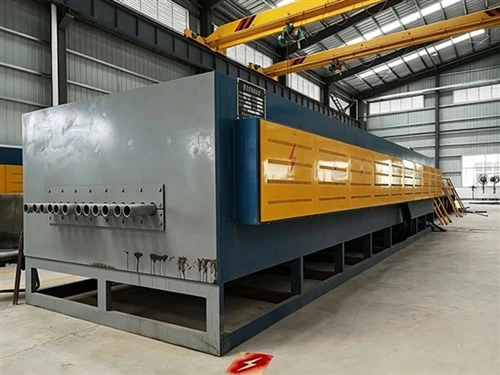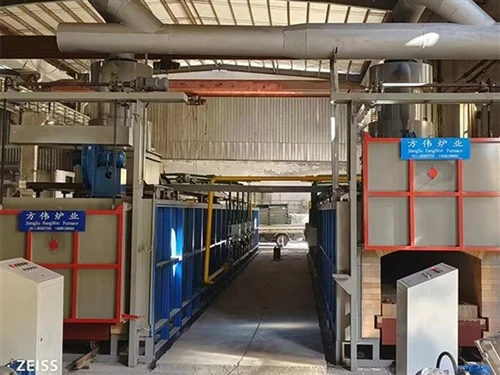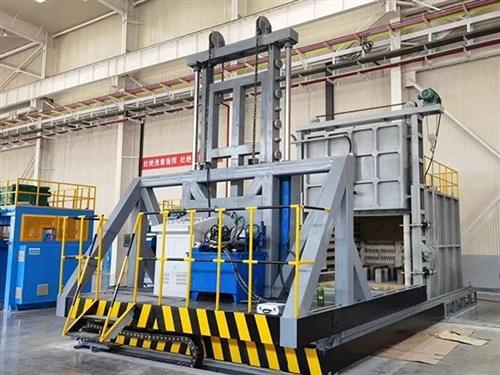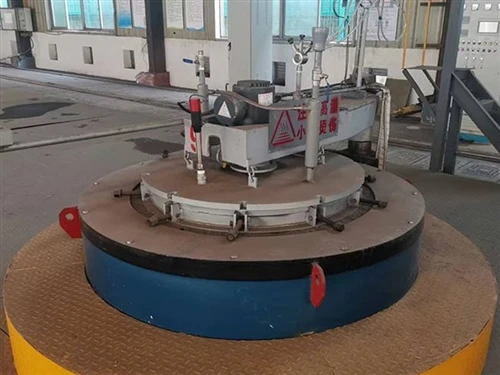
Oil-fired furnace combustion relies on the atomization of liquid fuel into tiny droplets injected into the furnace chamber. The droplets absorb heat, vaporize and then undergo diffusion combustion. Improving fuel atomization effect, accelerating vaporization and strengthening the mixing of fuel vapor and air can effectively boost combustion intensity. Although oil-fired furnaces generate less soot, heavy hydrocarbons and solid carbon particles may leave the furnace before full combustion, which will cause black smoke. The combustion temperature of oil-fired furnaces is generally between 900°C and 1200°C. Therefore, compared with coal-fired furnaces, they produce more nitrogen oxides. Since most sulfur in crude oil exists in heavy oil components, heavy oil fired furnaces need supporting measures to reduce sulfur dioxide emissions.
The automatic control system is an important configuration of modern oil-fired furnaces. It supports manual or automatic burner ignition and real-time flame monitoring. Equipped with intelligent PID temperature regulation, accurate heating and heat preservation curve control, flame loss alarm and safety interlock shutdown, as well as process data recording functions. The system can adjust burner flame strength and combustion state dynamically, realize automatic control and remote monitoring of furnace temperature, combustion air pressure and furnace pressure. Reasonable air-fuel ratio control maintains slight positive pressure inside the furnace, reduces heat loss, improves energy utilization, and brings advantages of high safety, uniform temperature field, high control precision and environmental friendliness.