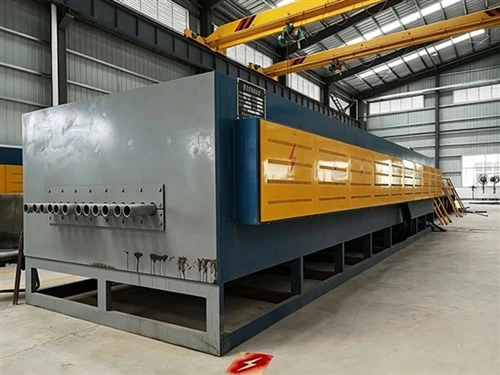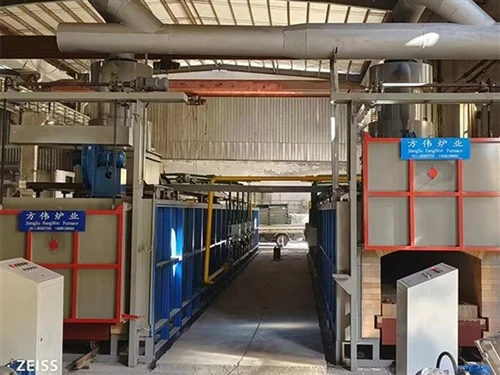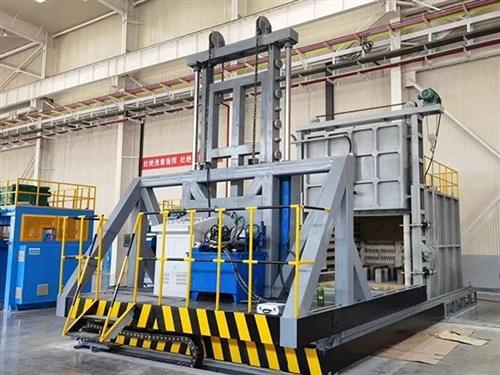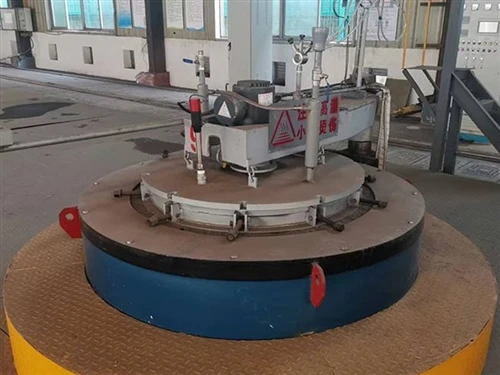
An oil-fired furnace is a suspension-burning furnace that utilizes heavy oil as fuel. The United States has revised its energy efficiency standards for residential oil-fired furnaces and commercial water heaters.
These furnaces generally consist of an oil burner, a burner throat, and a combustion chamber. The primary components of the oil burner are the fuel nozzle, the air register, and the igniter. Common types of fuel nozzles include mechanical atomizing nozzles (such as pressure-atomizing and return-flow types), rotary cup nozzles, and dual-fluid nozzles (including steam-atomizing and air-atomizing types). The function of the air register is to generate swirl and ensure proper air distribution. The igniter consists of two heat-resistant aluminum-magnesium alloy electrode rods; when high-voltage electricity is applied, an electric arc is generated to ignite the fuel. The combustion system supports automatic control, offering features such as manual/automatic burner ignition, automatic flame monitoring and control, intelligent PID temperature control, and flame-out alarm and protection. The control system is primarily composed of a Siemens PLC, temperature control modules, and sensors.