1. Operators must be familiar with the following:
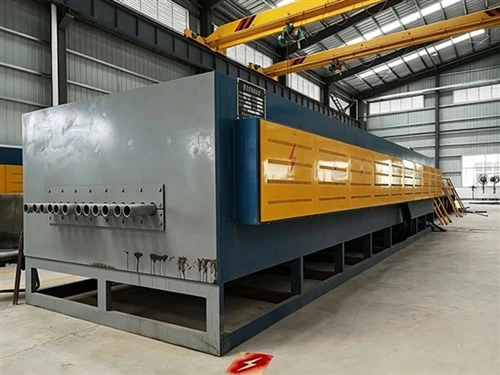
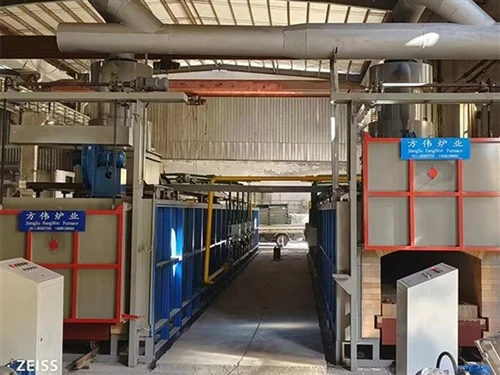
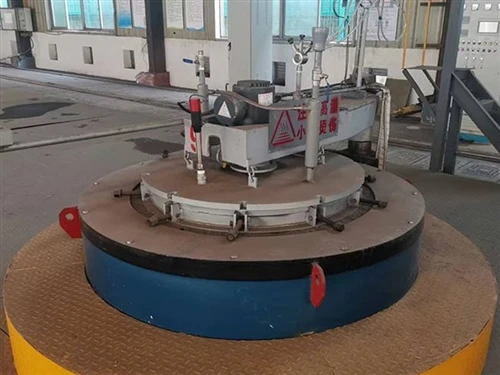
A. The structure and performance of the electric furnace and its auxiliary equipment.
B. The layout of the power distribution and control systems, as well as the locations of safety devices.
C. Operating procedures and safety protocols.
2. Pre-operation checks:
A. Check the power supply for normal status; ensure there are no phase failures, short circuits, or exposed wires.
B. Check the grounding connections for good contact.
C. Inspect heating elements for damage and ensure all connections are secure; check that no elements are touching the furnace body or casing.
D. Check the temperature control system for any abnormalities.
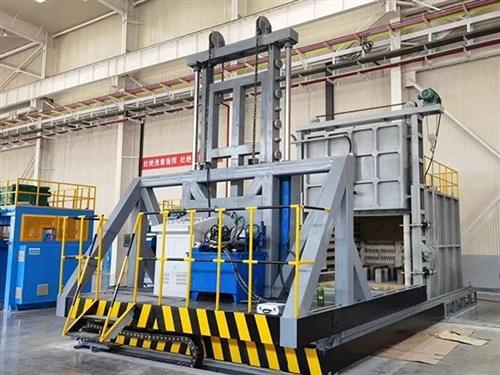
E. Verify the proper operation of the furnace door lifting mechanism and the movement of the furnace car (loading platform).
3. Workpieces emitting corrosive, volatile, or explosive gases are strictly prohibited from being processed in the furnace to prevent damage to heating elements and refractory materials, or accidents such as explosions.
4. Do not operate the electric furnace above its rated temperature; doing so will shorten the equipment's service life.
5. Stack workpieces evenly, maintaining a clearance of approximately 100–150 mm from the heating elements.
6. Remove excessive scale from workpieces before loading them into the furnace (e.g., by using a wire brush).
7. Rough handling is strictly prohibited; place workpieces gently to avoid impact or shock.
8. Operators must not leave their posts while the furnace is in use and must constantly monitor the furnace's operating status.
9. Cut off power to the heating elements before loading or unloading workpieces to ensure operator safety.
10. Regularly clean out oxide deposits from the furnace chamber (including areas beneath the heating coils)-at least once a week or after every five furnace cycles. Use compressed air to clean the area beneath the furnace hearth plate.
11. Once heating elements (resistance wires) have been used, do not knock or bend them, as this may cause breakage.
12. Regularly inspect the furnace motor (e.g., check lubrication) and observe safety precautions during use.
13. Periodically inspect the condition of the heating elements; do not bend or knock the elements after they have been in service. If the wire has snapped but is not yet severely corroded, it can be repaired via acetylene gas welding using a welding rod made of the same material as the heating element (or a section of the heating element itself); the welding rod should be coated with a mixture containing 50% dolomite powder. If the heating element is severely corroded and unusable, it must be replaced.
14. Periodically calibrate the instruments and thermocouples to check for deviations, thereby preventing product quality issues caused by temperature measurement errors resulting from instrument or thermocouple inaccuracies.