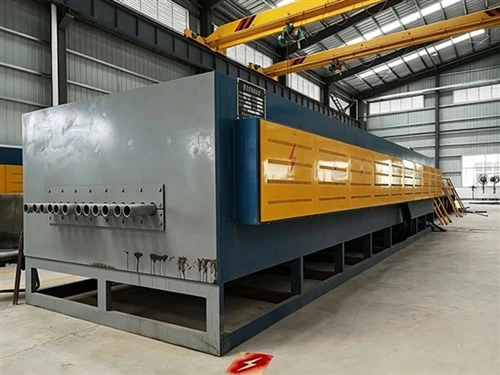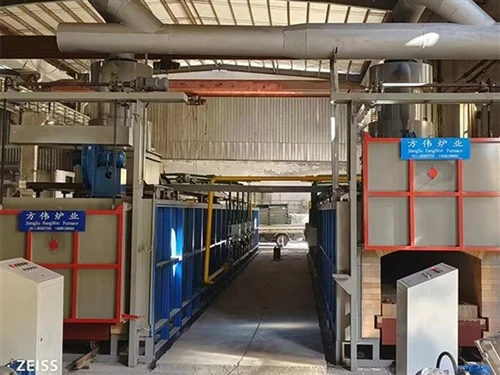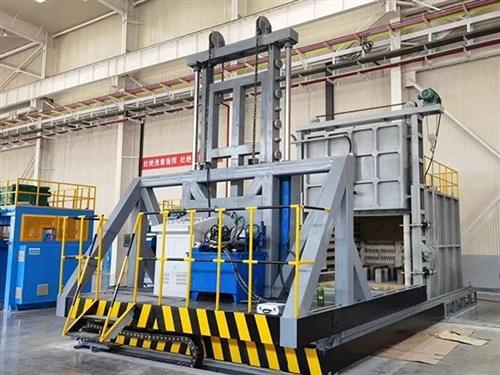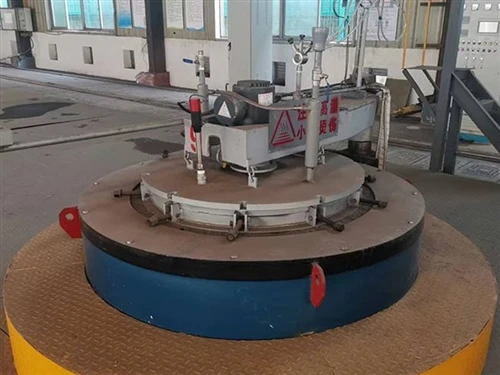
Given that the structure of a pit-type furnace comprises components such as the outer shell, inner retort, convection cylinder, blower, and circulation fan, maintenance analysis must address these specific areas. Details are as follows:
1. Maintenance of the Inner Retort and Convection Cylinder
The furnace body is the core component of the pit-type furnace; its sealing integrity directly impacts overall performance. As the sealing system is crucial for preventing decarburization of the material, it relies primarily on the inner retort and the convection cylinder. First, regarding the inner retort-a critical element of the seal-maintenance focuses on controlling the quantity and size of the charge entering the furnace chamber to prevent overloading, which could otherwise lead to issues such as crushing or deformation of the retort. Second, maintenance protocols require both scheduled and unscheduled inspections of the bolts connecting the inner retort to the outer shell, as well as rigorous checks of the sealing integrity at the furnace body, lid, and bottom.
2. Furnace Bottom Circulation Fan
Maintenance and inspection of the furnace bottom circulation fan (often referred to simply as the stirring fan) focus on the following key areas: First, establish a regular inspection schedule to verify the condition of the fan's cooling jacket, cooling water system, and electrical wiring; also, check the fan clearances and ensure all components are securely fastened. Following these checks, lubricate the bearings using a low-viscosity, high-temperature resistant lubricant. Second, maintain the drive belt by adjusting tension to meet operational requirements; since belts tend to creep and elongate under prolonged high-temperature exposure, monthly inspections are mandatory to prevent slippage and related issues. Finally, to ensure optimal sealing and reliability, treat the interface between the fan shaft and the furnace body with high-temperature graphite; this effectively prevents the loss of carbon elements from within the furnace chamber.
3. Temperature Control System
The temperature control system is a specialized component of the pit-type furnace, typically comprising heating elements, piping, and detection devices. High-temperature operation requires the coordinated use of significant quantities of fuel gas and air; consequently, it is necessary not only to monitor gas pressure and oxygen concentration but also to control the opening duration and switching mechanisms of the burner's regulating valves. This ensures adequate air pressure to meet the furnace's internal temperature and pressure requirements. Key maintenance tasks for the temperature control system include: first, properly and systematically inspecting electrical circuits and auxiliary equipment-such as solenoid valves, switches, and safety valves-to ensure normal operation; second, verifying the accuracy and reliability of measuring instruments like flow meters and pressure gauges; and finally, checking the functionality of thermocouples and the temperature control system, while periodically calibrating thermal control instruments. Compressed air may be used to clear blockages in other piping, such as analyzer intake lines, while soap solution can be used to detect and address potential leaks.