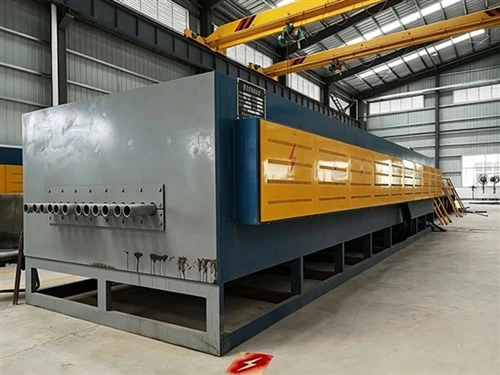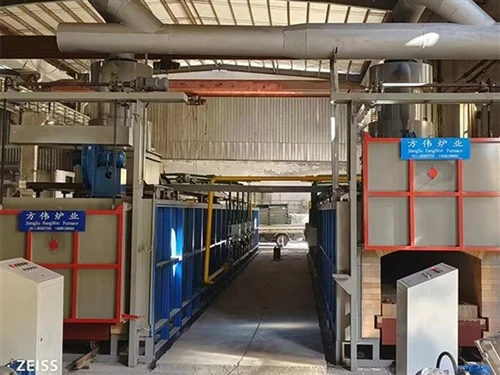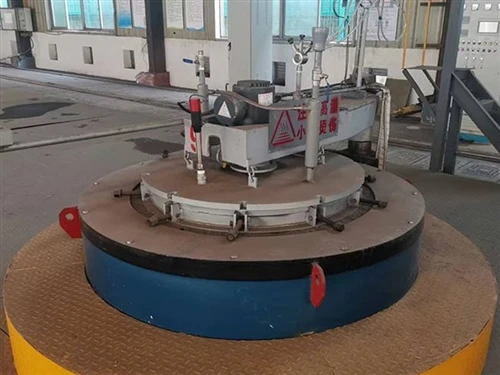
1. Optimized furnace lining insulation technology: Multi-layer composite refractory fiber modules or lightweight refractory bricks are used as lining materials. These materials feature low thermal conductivity and low heat capacity, significantly reducing heat storage in the furnace walls and heat loss. This results in faster heating-up phases and reduced energy requirements during the holding phase, thereby lowering energy consumption at the source.
2. Advanced combustion and heating systems: For fuel-fired furnaces, high-efficiency combustion devices-such as high-velocity temperature-regulating burners and flat-flame burners-are employed alongside optimized burner placement and airflow circulation designs. This ensures a uniform temperature field within the furnace, preventing localized overheating or underheating, which guarantees heat treatment quality and eliminates fuel waste. For electric furnaces, high-quality resistance strips or silicon carbide rods serve as heating elements; combined with zoned temperature control technology, they achieve precise and uniform heating.
3. Continuous improvement of sealing performance: Effective sealing between the furnace door and the furnace body, as well as between the furnace car and the furnace body, is crucial for preventing heat leakage. Composite sealing methods-such as spring-loaded clamping, soft-edge seals, and sand seals-effectively minimize the escape of high-temperature furnace gases through gaps. This maintains stable internal pressure and uniform temperature, directly enhancing thermal efficiency.
4. Intelligent control systems: Integrated with modern automation control instrumentation, these systems allow for the precise programming and control of furnace temperature, pressure, and heating curves. The system operates automatically based on preset process curves, reducing human error and ensuring process repeatability. Real-time monitoring of energy consumption data enables operators to analyze and optimize process parameters, facilitating energy-efficient operation.
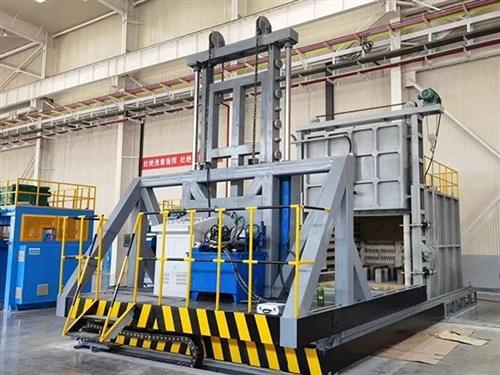
5. Operational efficiency through car-bottom design: This design allows for the simultaneous execution of loading, unloading, and in-furnace heat treatment. While one batch of workpieces undergoes treatment inside the furnace, a second furnace car can be used outside for cooling, loading, and other preparatory tasks. This drastically reduces furnace idle time, increases equipment turnover and production efficiency, and lowers the overall energy consumption per unit of product.