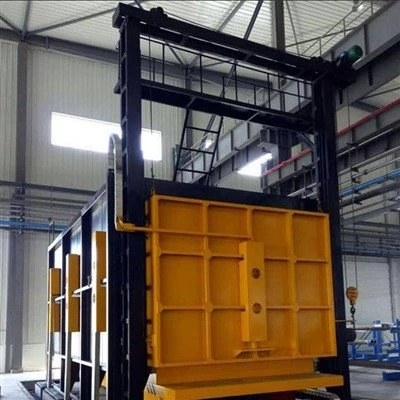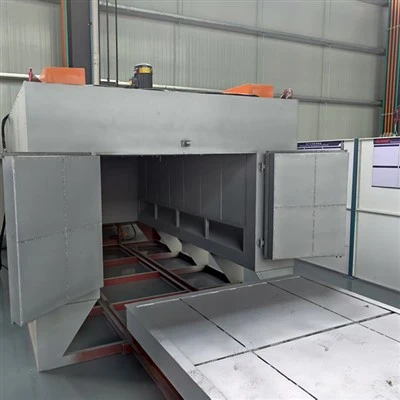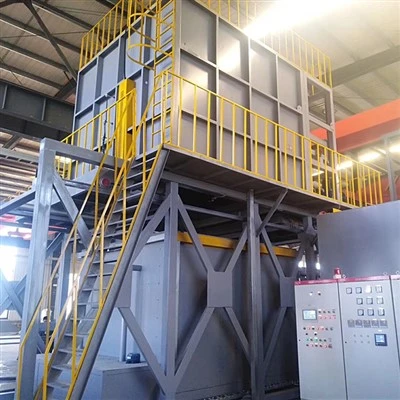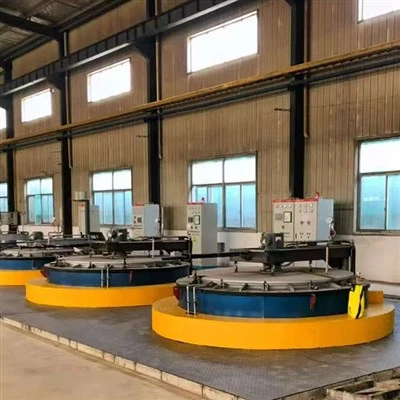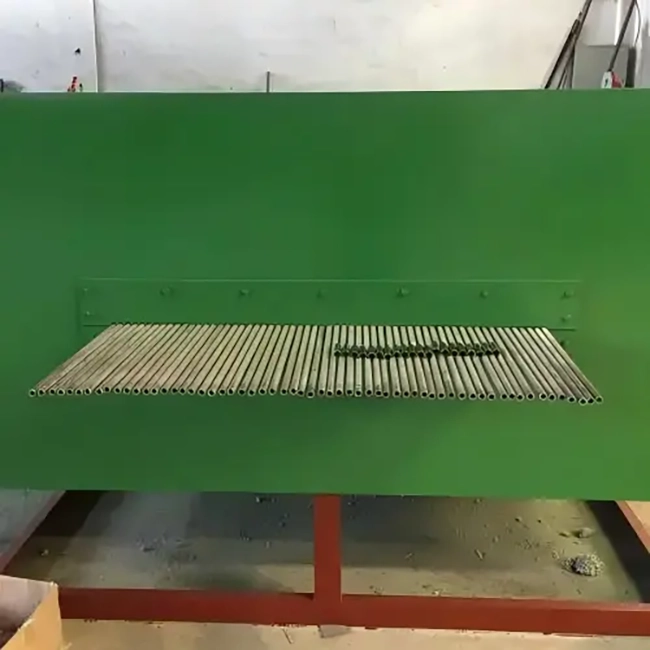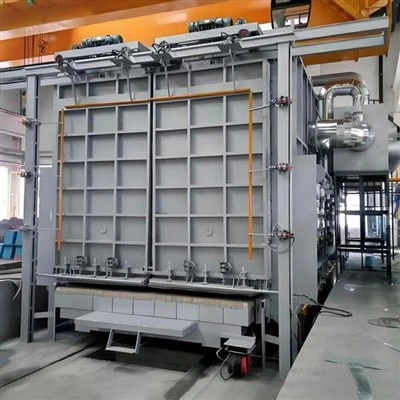
Box furnaces are widely used in industrial production and scientific research; they serve as a vast "stage" that enables the "spectacular transformation" of various materials.
Material Heat Treatment and Strengthening
In the machinery manufacturing industry, box furnaces are frequently used for the heat treatment of metal materials. Common tools such as cutting blades and molds, for instance, often become worn and dull after a period of use. Placing them in a box furnace allows for the precise control of heating and cooling processes to adjust the metal's microstructure. This optimizes properties like hardness, toughness, and wear resistance-acting much like a "total rejuvenation" that restores the tools' peak performance capabilities.
Powder Metallurgy and Ceramic Preparation
Box furnaces play an indispensable role in the fields of powder metallurgy and ceramic preparation. When powdered metal or ceramic raw materials undergo high-temperature sintering within the furnace, they gradually fuse to form dense, robust materials. This process is akin to countless tiny particles joining hands to build a solid "fortress." The furnace's precise temperature control system ensures uniform heating throughout the sintering process, resulting in high-quality powder metallurgy or ceramic products.
Research and Exploration of New Materials
In the realm of scientific research, the box furnace is a vital tool for exploring the world of new materials. When a novel material is discovered, researchers must conduct continuous experiments and adjustments to understand how its properties change under varying conditions, such as temperature and atmospheric composition. By providing precise temperature control and atmospheric environments, box furnaces offer researchers a broad scope for experimentation. Within this "warm chamber," they can undertake bold trials and innovations, constantly driving scientific and technological progress forward.