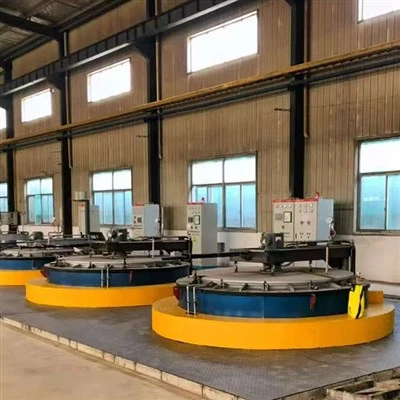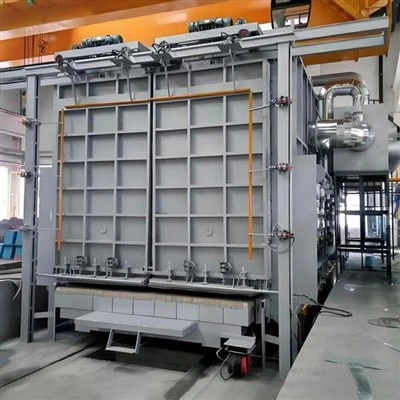
The carburizing furnace is a new type of energy-efficient, batch-operation electric heat treatment furnace designed primarily for the gas carburizing of steel components. By utilizing ultra-lightweight, energy-saving lining materials (ceramic fiber) and an advanced integrated water-cooled sealed fan, this series of furnaces achieves uniform temperature distribution, rapid heating, and excellent thermal insulation. These features accelerate the carburizing process, ensure a uniform carbon potential atmosphere and carburized layer, and prevent leakage even under elevated furnace pressure, thereby enhancing both production efficiency and carburizing quality.
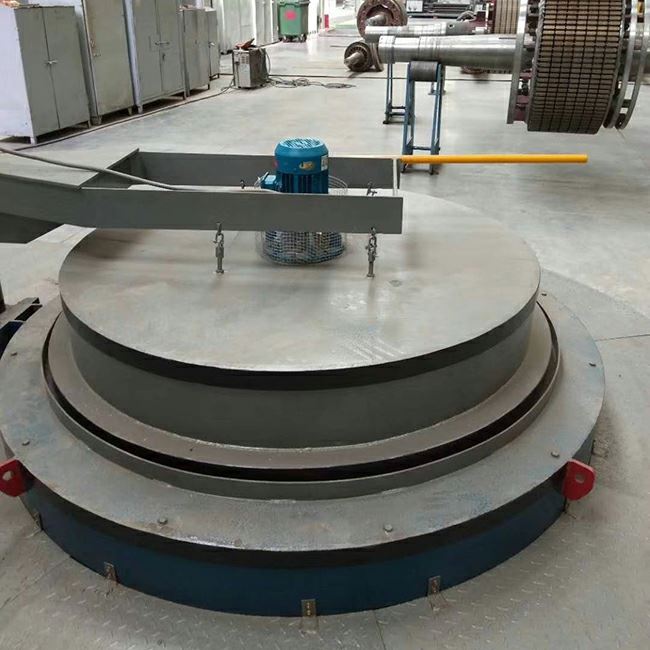
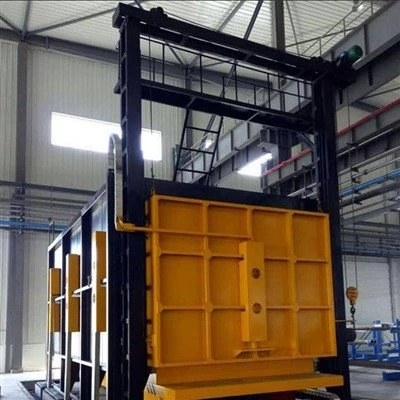
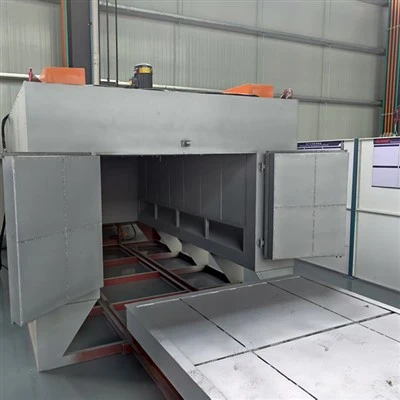
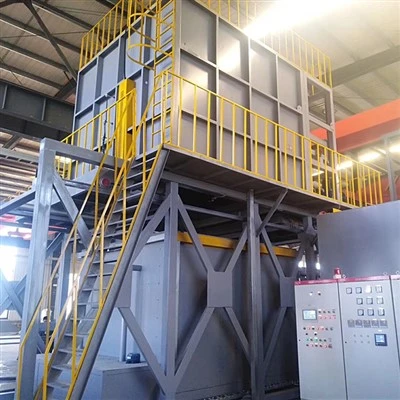
The furnace consists of a furnace shell, lining, lid lifting mechanism, sealed fan, retort, heating elements, and an electrical control system. The shell is fabricated from welded steel plate and structural steel sections. The lining features an energy-saving composite structure built from high-strength, ultra-lightweight refractory bricks (density: 0.6 g/cm³), aluminum silicate fiber, diatomaceous earth insulation bricks, and asbestos board. The lid lifting mechanism comprises components such as a motor and a gear pump; the lid is raised at a speed of 30–70 mm/s simply by pressing a button on the control box. For safety, two limit switches are installed on the lifting shaft: the lower limit switch automatically cuts off the main power supply to the control cabinet when the lid rises, de-energizing the heating elements, while the upper limit switch restricts the lifting height to prevent the shaft from rising too far and disengaging.
The sealed fan is mounted on the furnace lid to circulate the atmosphere within the retort, ensuring compositional uniformity and promoting temperature evenness throughout the furnace. Three process pipes are mounted on the furnace lid, extending into the furnace's muffle retort: one pipe features a three-port stainless steel drip injector at its top for feeding methanol, kerosene, or other organic liquids into the furnace at adjustable flow rates, and includes an ammonia inlet port for supplying ammonia gas during carbonitriding (this port can be sealed when nitriding is not required); a second pipe serves as a sampling tube, with an upper fitting that connects to a U-tube glass manometer to monitor furnace pressure-maintaining this pressure is essential for the proper execution of carburizing or carbonitriding processes (the muffle retort itself is made of heat-resistant cast steel). The heating elements consist of electric heating alloy wire wound into a spiral shape; they are mounted on the inner wall of the furnace lining, with terminals extending outside the furnace. Furnace temperature is monitored by a thermocouple inserted into the chamber, which transmits signals via compensating leads to an automatic temperature control cabinet; this cabinet automatically controls, regulates, and records the heating temperature. The carburizing furnace is equipped with an optional cooling bin for holding treated parts; the bin's lid features a sand seal groove.