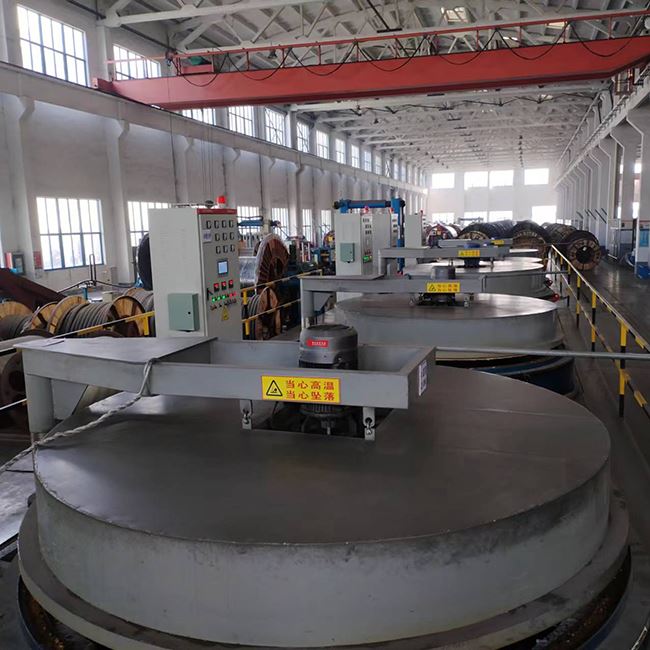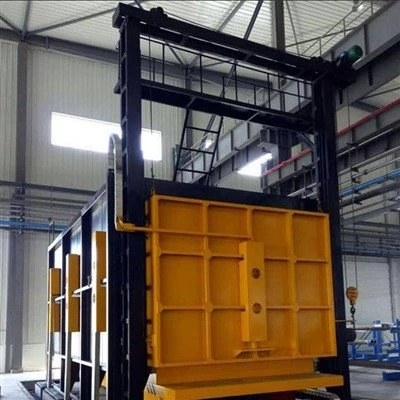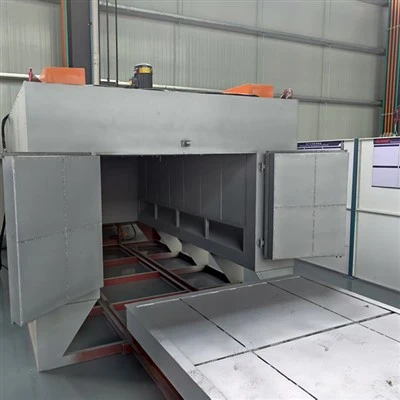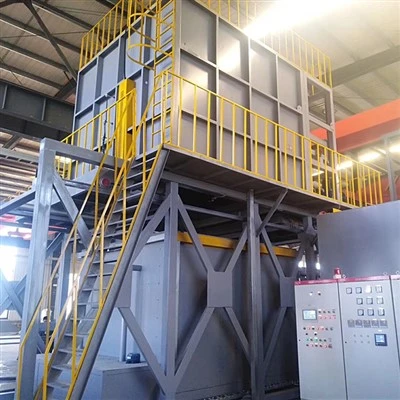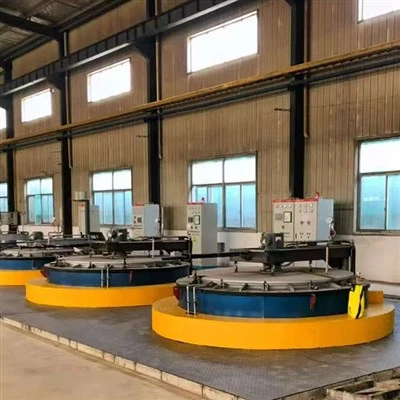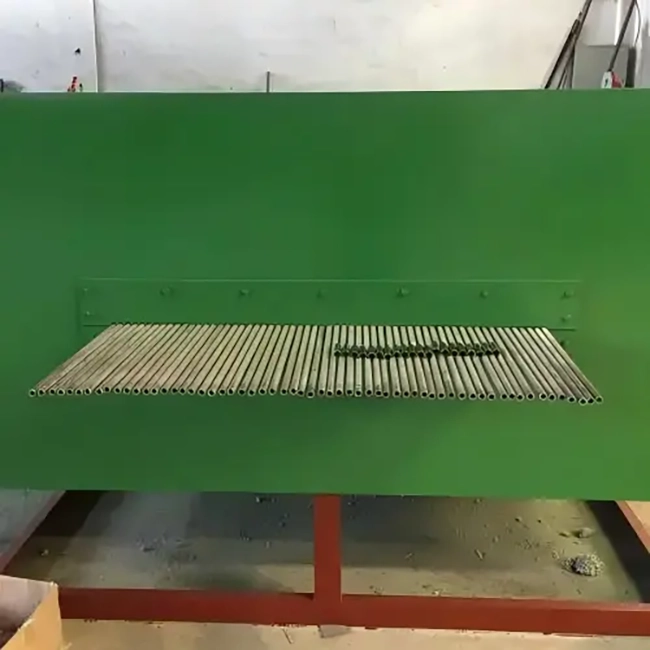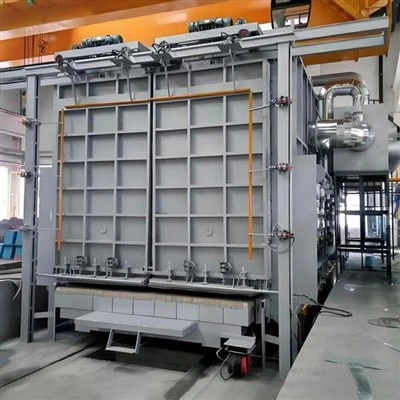
A tempering furnace is a batch-processing unit used for the tempering of metal components, as well as for the quenching, annealing, and aging heat treatments of light alloy parts. Key types include vacuum tempering furnaces, all-fiber car-bottom furnaces, and all-fiber pit furnaces; the vacuum type is suitable for the bright annealing of strips, wires, and tubing, while the car-bottom type utilizes energy-saving composite lining technology, and the pit type features a hot-air circulation system.
The equipment minimizes heat loss and ensures effective furnace sealing through a combination of a welded steel shell, a soft-contact interface between the furnace body and the car-bottom, and a sand-seal mechanism. The car-bottom tempering furnace achieves a temperature uniformity of ±8°C and a rated temperature of 650°C, utilizing an intelligent PID temperature control system. Processing capabilities range from low-temperature tempering (180–200°C) to reduce the risk of grinding cracks, to high-temperature tempering (500–600°C) to eliminate residual stresses in tool steels; specific steel grades require avoiding the 475°C embrittlement zone and prolonged holding at 600–700°C. Equipped with thermocouple-based measurement and control systems that meet aviation, military, and national standards, the equipment is widely used in sectors such as machinery manufacturing, aerospace, and the automotive industry.